

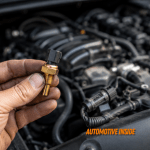
Most drivers never think about their engine coolant temperature sensor until something suddenly feels wrong. Maybe the check engine light appears out of nowhere, the cooling fans start acting strangely, or the car begins using more fuel than usual. In many cases, the problem traces back to this small but extremely important sensor.
Modern vehicles rely on dozens of sensors to keep everything running smoothly, but the coolant temperature sensor plays one of the biggest roles in daily drivability. It helps the engine decide how much fuel to use, when the cooling fans should activate, and how the engine should behave during cold starts and normal driving conditions.
In recent years, online searches related to coolant temperature sensor symptoms, overheating issues, rough idle problems, and check engine lights have steadily increased. Many vehicle owners are trying to understand why their engines suddenly run poorly, why fuel economy drops unexpectedly, or why cooling fans behave abnormally.
For many drivers, the answer ends up being one overlooked component that most people never even notice until it fails.
Understanding how this sensor works can help drivers identify warning signs early before more expensive engine damage occurs.
Why This Small Sensor Matters More Than Most Drivers Realize
The engine coolant temperature sensor measures the temperature of the engine coolant as it circulates through the cooling system. This information is sent to the vehicle’s engine control module, which then adjusts several engine functions based on operating temperature.
When an engine is cold, the control module enriches the air-fuel mixture to help the engine start and warm up efficiently. As the engine reaches normal operating temperature, fuel delivery changes for better efficiency and emissions control.
The sensor also helps determine when radiator cooling fans should turn on. In many vehicles, inaccurate temperature readings can lead to overheating or unnecessary fan operation.
Without accurate temperature information, the engine simply cannot make the right decisions. That can lead to rough driving behavior, poor efficiency, and eventually expensive repairs if the issue goes unnoticed.
Common Signs Something Is Wrong
A failing coolant temperature sensor can trigger several confusing symptoms that resemble other engine problems. Because the symptoms vary from vehicle to vehicle, many drivers replace unrelated parts before discovering the actual issue.
Here are some of the most common warning signs.
Check Engine Light Appears
One of the earliest indicators is an illuminated check engine light. The engine control module continuously monitors sensor readings. If the coolant temperature sensor sends inconsistent or unrealistic data, diagnostic trouble codes may be stored.
Common codes often relate to coolant temperature circuit performance or irrational readings.
Poor Fuel Economy
If the sensor incorrectly reports that the engine is cold all the time, the engine may continuously inject extra fuel. This rich fuel mixture can significantly reduce fuel economy.
Drivers may notice they are filling up more often even though driving habits remain unchanged.
Hard Starting Problems
A faulty sensor can create starting difficulties, especially during cold mornings. Incorrect temperature readings may prevent the engine from receiving the proper fuel mixture during startup.
Some vehicles may crank longer than usual or hesitate before starting.
Rough Idle and Poor Performance
Inaccurate coolant temperature data can disrupt engine timing and fuel delivery. As a result, the engine may idle roughly, hesitate during acceleration, or feel sluggish.
In severe cases, drivers may even experience engine stalling.
Cooling Fans Running Constantly
Some vehicles automatically activate radiator fans when sensor data appears invalid. This protective strategy helps prevent overheating.
If cooling fans continue running long after startup or remain active even when the engine is cold, the coolant temperature sensor could be the cause.
Engine Overheating
Perhaps the most serious symptom is overheating. If the sensor fails to trigger cooling fan operation at the correct time, engine temperatures can rise dangerously high.
Overheating can lead to warped cylinder heads, blown head gaskets, and major engine repairs.
Why Modern Engines Depend More on Temperature Sensors
Older vehicles relied more heavily on mechanical systems and carburetors. Modern engines, however, are controlled by advanced computer systems that require precise data from multiple sensors.
The coolant temperature sensor now plays a larger role than ever before.
Today’s engines are designed with tighter tolerances and more complex emissions systems. Small variations in temperature readings can affect:
- Fuel injection timing
- Ignition timing
- Emissions performance
- Automatic transmission behavior
- Cooling system efficiency
- Cabin heating performance
- Idle control strategies
Because modern engines rely so heavily on sensor accuracy, even minor sensor problems can create noticeable drivability issues.
What Causes Coolant Temperature Sensors to Fail?
Like any electronic component exposed to heat and vibration, coolant temperature sensors eventually wear out.
Several factors commonly contribute to failure.
Heat Cycling
Engines repeatedly heat up and cool down during daily operation. Over time, constant thermal expansion and contraction can damage internal sensor components.
Corrosion
Coolant contamination or neglected coolant changes may allow corrosion to develop around the sensor. Corrosion can interfere with accurate readings or damage electrical connections.
Wiring Problems
Sometimes the sensor itself is not the issue. Damaged wiring, loose connectors, or electrical shorts may interrupt communication with the engine control module.
Coolant Leaks
Leaks around the sensor mounting area can expose electrical terminals to moisture and contamination.
Age and Mileage
As vehicles accumulate mileage, sensor performance naturally degrades. Many temperature sensors begin showing intermittent problems long before complete failure occurs.
Why Drivers Often Misdiagnose the Problem
Coolant temperature sensor symptoms frequently overlap with other common automotive problems.
For example:
- Rough idle may resemble ignition coil failure
- Poor fuel economy may seem related to oxygen sensors
- Hard starting may appear battery-related
- Overheating may suggest thermostat failure
- Cooling fan problems may point toward relays or motors
Because the symptoms can point to several different problems, many drivers end up replacing perfectly good parts before discovering the actual cause.
This is one reason why many drivers search online for answers after replacing multiple parts unsuccessfully.
How Technicians Diagnose Temperature Sensor Problems
Professional technicians typically begin diagnosis using an OBD-II scan tool.
The scan tool allows them to monitor live coolant temperature readings while the engine warms up. If readings appear unrealistic or fluctuate abnormally, the sensor becomes a likely suspect.
Technicians may also:
- Inspect wiring harnesses
- Check sensor resistance values
- Compare live temperature readings with infrared thermometer measurements
- Test cooling fan operation
- Inspect coolant condition
In many cases, diagnosis is relatively straightforward once live data is examined.
Why Choosing the Right Replacement Part Matters
Not all replacement sensors deliver the same level of reliability or accuracy.
Temperature sensors operate in demanding conditions involving heat, pressure, coolant exposure, and vibration. Poor-quality aftermarket components may provide inconsistent readings or fail prematurely.
This is why many professional technicians prefer premium-grade replacement components designed to match original fit, form, and function.
Accurate sensor calibration is especially important in modern engines because even slight temperature deviations can affect fuel management strategies.
Drivers who want long-term reliability usually look for replacement parts built to deliver consistent readings, dependable performance, and proper fitment under real-world driving conditions.

Recommended Replacement Part
Premium Engine Coolant Temperature Sensor
A professional-grade aftermarket replacement designed for dependable performance, proper fitment, and reliable engine temperature readings.
- Built for fit, form, and function
- Helps support accurate coolant temperature readings
- Suitable for repair and maintenance-focused vehicle owners
As an Amazon Associate, we may earn from qualifying purchases.
The Connection Between Temperature Sensors and Fuel Efficiency
Fuel efficiency remains one of the biggest concerns for drivers today, especially as fuel costs fluctuate throughout the year.
Many drivers are surprised to learn how much a failing coolant temperature sensor can impact fuel consumption.
When the engine control module believes the engine is still cold, it continues delivering extra fuel to maintain warm-up conditions. This richer mixture increases fuel usage and can also contribute to carbon buildup over time.
In some vehicles, a faulty sensor may reduce fuel economy dramatically without triggering obvious drivability problems.
This makes coolant temperature sensor issues particularly frustrating because drivers may notice rising fuel costs long before identifying the root cause.
Can You Drive With a Bad Coolant Temperature Sensor?
Technically, many vehicles can continue operating with a failing sensor for a short period. However, ignoring the problem is risky.
A bad sensor may:
- Cause overheating
- Increase engine wear
- Reduce fuel efficiency
- Damage catalytic converters
- Trigger poor transmission behavior
- Create emissions test failures
Over time, the additional stress placed on the engine and emissions system can lead to far more expensive repairs.
If warning signs appear, diagnosing the issue early is usually the safest approach.
Preventive Maintenance Tips
Drivers can reduce the likelihood of cooling system sensor problems by following a few basic maintenance practices.
Change Coolant at Recommended Intervals
Old coolant loses protective properties over time. Regular coolant replacement helps prevent corrosion and contamination.
Fix Coolant Leaks Quickly
Even small leaks can create electrical and cooling system problems if ignored.
Inspect Wiring During Routine Service
Checking for damaged connectors or brittle wiring can prevent intermittent sensor issues.
Monitor Temperature Gauge Behavior
If the temperature gauge behaves erratically or fluctuates unusually, the cooling system should be inspected promptly.
Pay Attention to Fuel Economy Changes
Unexpected drops in fuel efficiency may indicate hidden sensor problems.
Why Cooling System Health Matters More Than Ever
Modern engines generate significant heat while pursuing higher efficiency and lower emissions. Cooling systems must now work harder while maintaining precise operating temperatures.
Because of this, small components like coolant temperature sensors have become increasingly important.
A properly functioning sensor helps ensure:
- Stable engine temperatures
- Consistent performance
- Better fuel economy
- Reduced emissions
- Improved engine longevity
- Reliable cooling fan operation
When the sensor works correctly, drivers rarely notice it. But when problems develop, the effects can quickly spread throughout the vehicle.
Catching the Problem Early Can Save a Lot of Money
Engine coolant temperature sensors may be small, but their impact on vehicle performance is enormous. As modern engines continue relying more heavily on electronic management systems, accurate temperature monitoring becomes even more critical.
Drivers experiencing check engine lights, rough idle conditions, poor fuel economy, overheating concerns, or unusual cooling fan behavior should not overlook the possibility of a faulty coolant temperature sensor.
Early diagnosis can prevent expensive engine damage and restore proper vehicle performance before problems escalate.
For long-term reliability, many technicians recommend using high-quality replacement components designed to deliver dependable operation, accurate readings, and proper fitment under demanding engine conditions.
A failing coolant temperature sensor may seem like a minor issue at first, but ignoring it can eventually lead to overheating problems, poor fuel economy, and unnecessary stress on the engine.
The good news is that the warning signs are often noticeable once you know what to look for. Paying attention to rough idle symptoms, rising fuel costs, strange cooling fan behavior, or temperature gauge fluctuations can help drivers catch the problem before it turns into a much larger repair bill.
As modern engines become more dependent on accurate sensor data, small components like the coolant temperature sensor continue playing a major role in overall vehicle reliability. Keeping the cooling system healthy and replacing worn parts with dependable components can make a big difference in how smoothly a vehicle performs over time.
